Should heritage still be on a Constraints Plan?
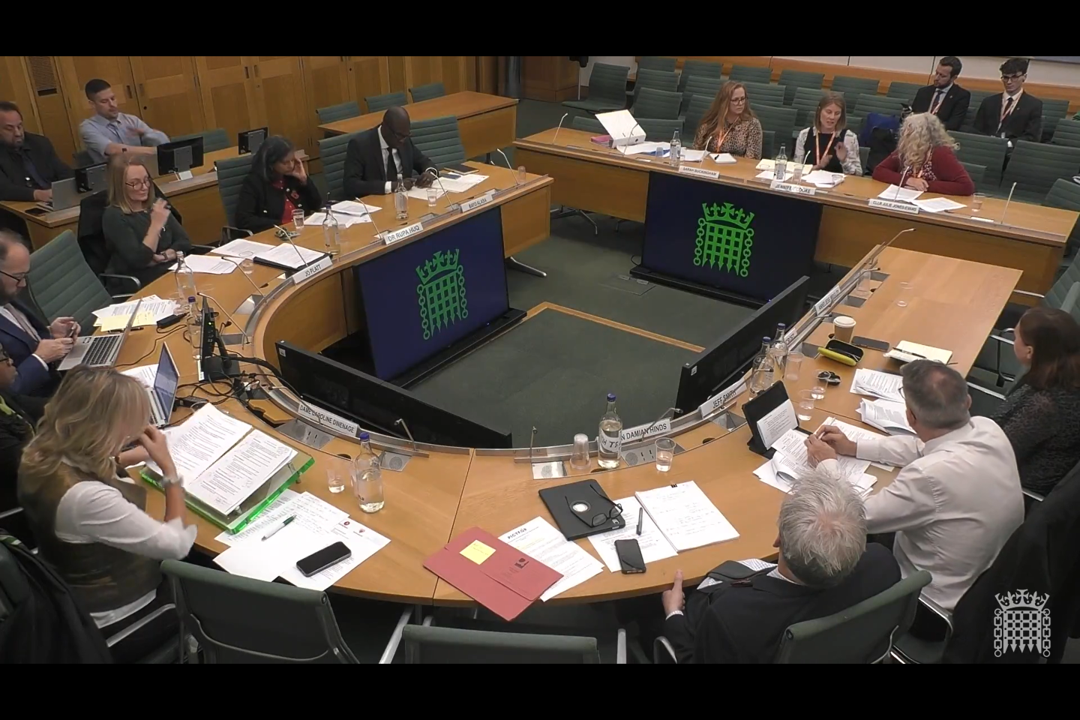
Image 1: Department for Culture, Media and Sport Select Committee (Nov’ 2025)
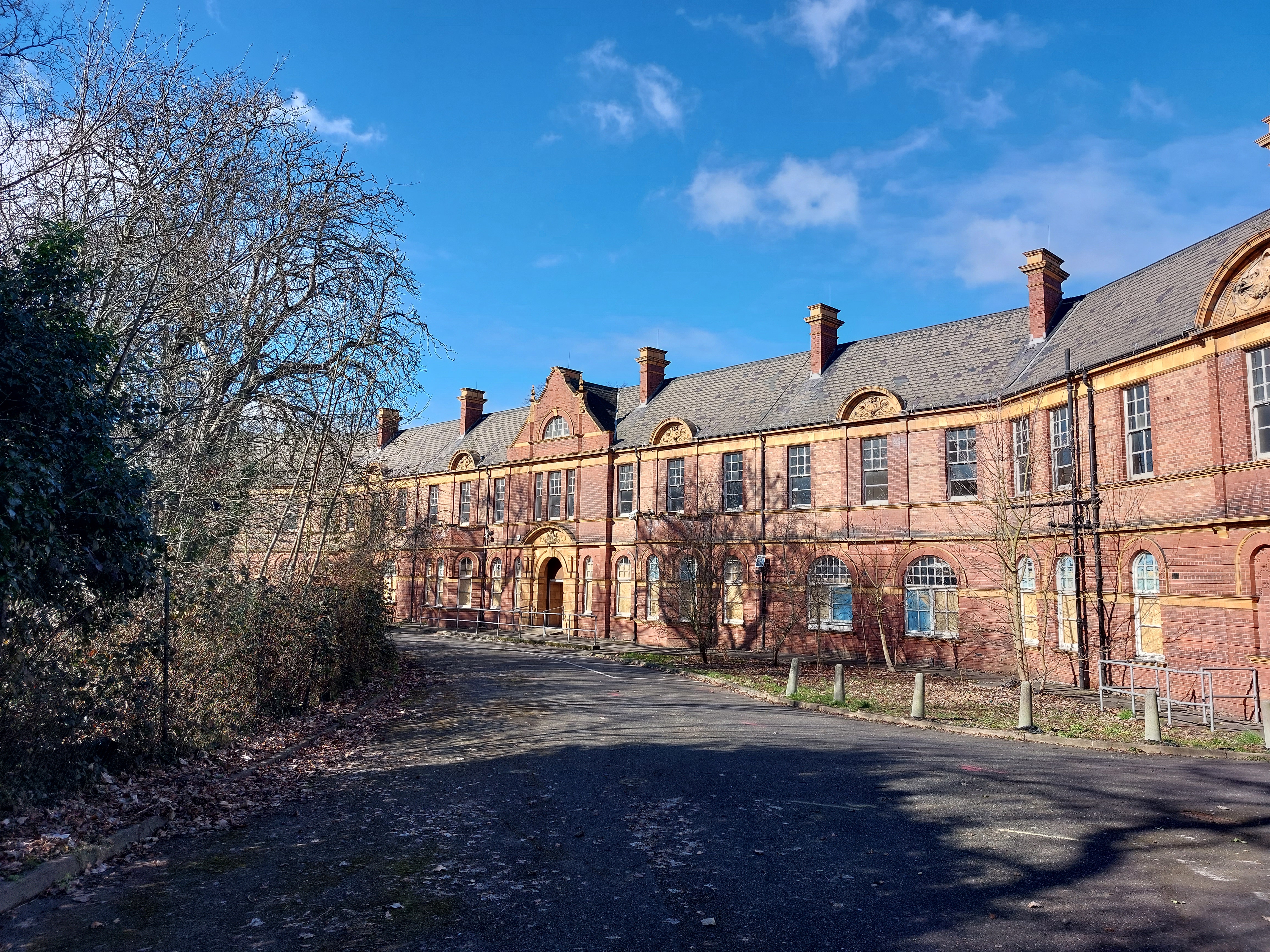
It’s one of the first drawings I look at. Almost without exception, heritage sits there alongside flood risk, utilities, ecology and tree protection on a Constraints Plan. Listed buildings. Conservation areas. Scheduled Monuments. Constraints to development.
Constraints… or opportunities?
Of course, these are planning constraints that need to be understood. But I’ve often found myself questioning whether we’re framing the conversation in the right way. If we instinctively label heritage as a constraint, do we risk overlooking the opportunities it presents? Do we risk putting off investors who could help reuse heritage buildings and secure their futures?
Reading the Culture, Media and Sport Select Committee’s Protecting Built Heritage report this week made me think about exactly that.
The report estimates that up to 670,000 homes could be delivered through the reuse of vacant and underused historic buildings and recommends a national ‘reuse-first’ approach to planning and housing delivery.
Many of the ideas in the report won’t be new to those working in the heritage sector. Historic England has been building the evidence base for years through initiatives such as Heritage Counts, Heritage Works and, more recently, the Heritage Investment Prospectus. What’s encouraging is to see those ideas reinforced within a Parliamentary report and linked so directly to Government priorities around housing and growth.
For me, that’s an exciting shift.
Rather than simply asking how heritage can be protected from development, the conversation is increasingly becoming: how can the historic environment help deliver better development?
That doesn’t mean heritage stops being a constraint. Sometimes it is. But if we only ever see it through that lens, we risk overlooking the contribution it can make to creating distinctive places, attracting investment and delivering better development.
I’m also proud that my fellow Heritage Director, Jennifer Cooke, gave evidence on behalf of Smith Jenkins during the inquiry, with our written evidence subsequently cited in the Committee’s report.
Whether the recommendations are implemented remains to be seen, but I hope this report helps continue a conversation that has been building for many years.
So I’ll leave you with the same question I started with: should heritage still sit on a Constraints Plan, or is it time we thought differently about the role it can play in shaping successful development?