“I quite like this building”: The “Wild West” of Non-Designated Heritage Assets.
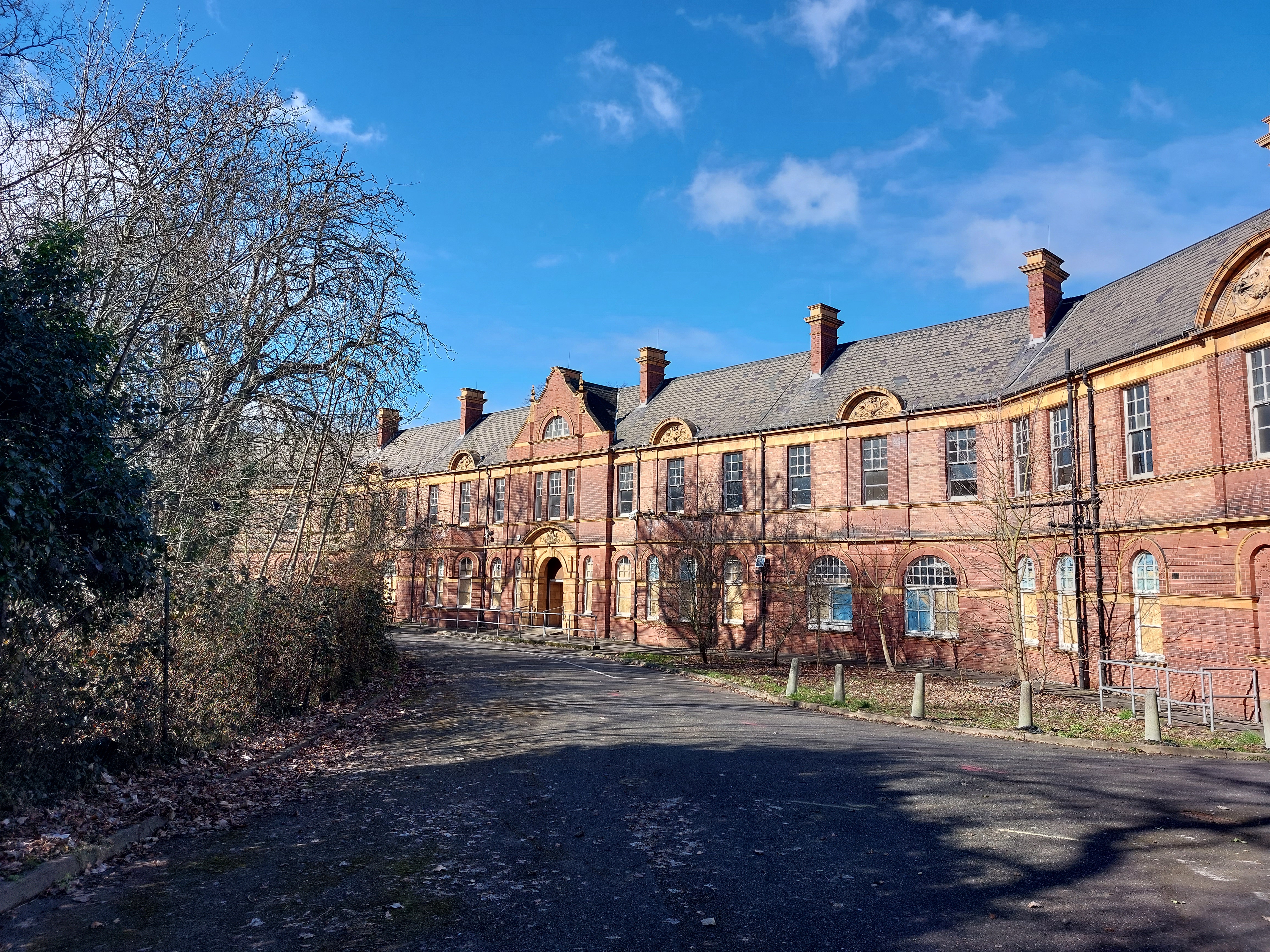
Figure 1: Victoria House, Woolwich (on the local list)
Recently, I attended the non-designated heritage assets (NDHAs) learning and CPD Day hosted by West Midlands Heritage. A focus of the day was the announcement that the anticipated third edition of the Historic England Advice Note 7 (HEAN 7) had been published.
A Circus of Terminology
While the discussions at the event and the newly released guidance point to sensitive shifts in how we manage local heritage, they also shine a spotlight on a glaring, persistent issue in the world of heritage: the absolute circus of terminology surrounding NDHAs.
What exactly are we talking about when we discuss local heritage? Is it a “building of townscape merit”? A “locally listed building”? An “unlisted building of merit”? Or perhaps a building that makes a “positive contribution” to a conservation area.
As these varied titles sit on formalised local lists and within conservation area appraisals, they are an absurd twist of planning terminology, essentially designated non-designated heritage assets. To complicate matters further, the opportunity exists for a Local Planning Authority (LPA) to identify a building as an NDHA at any point in the decision-making process within a planning application. This effectively creates a secondary tier of non-designated non-designated heritage assets. The confusion of it all is enough to baffle developers, and homeowners.
While the public can nominate assets, final designation rests solely with the LPA. Because NDHAs emerge from disjointed sources, ranging from Historic Environment Records (HERs), conservation area appraisals, to a conservation officer’s subjective “I quite like this building” at pre-application – identifying them is complex and highly inconsistent.
To mitigate this, early assessment is vital. Evaluating a site against an LPA’s criteria early on gives developers the necessary context to anticipate whether a building is likely to be flagged as an NDHA.
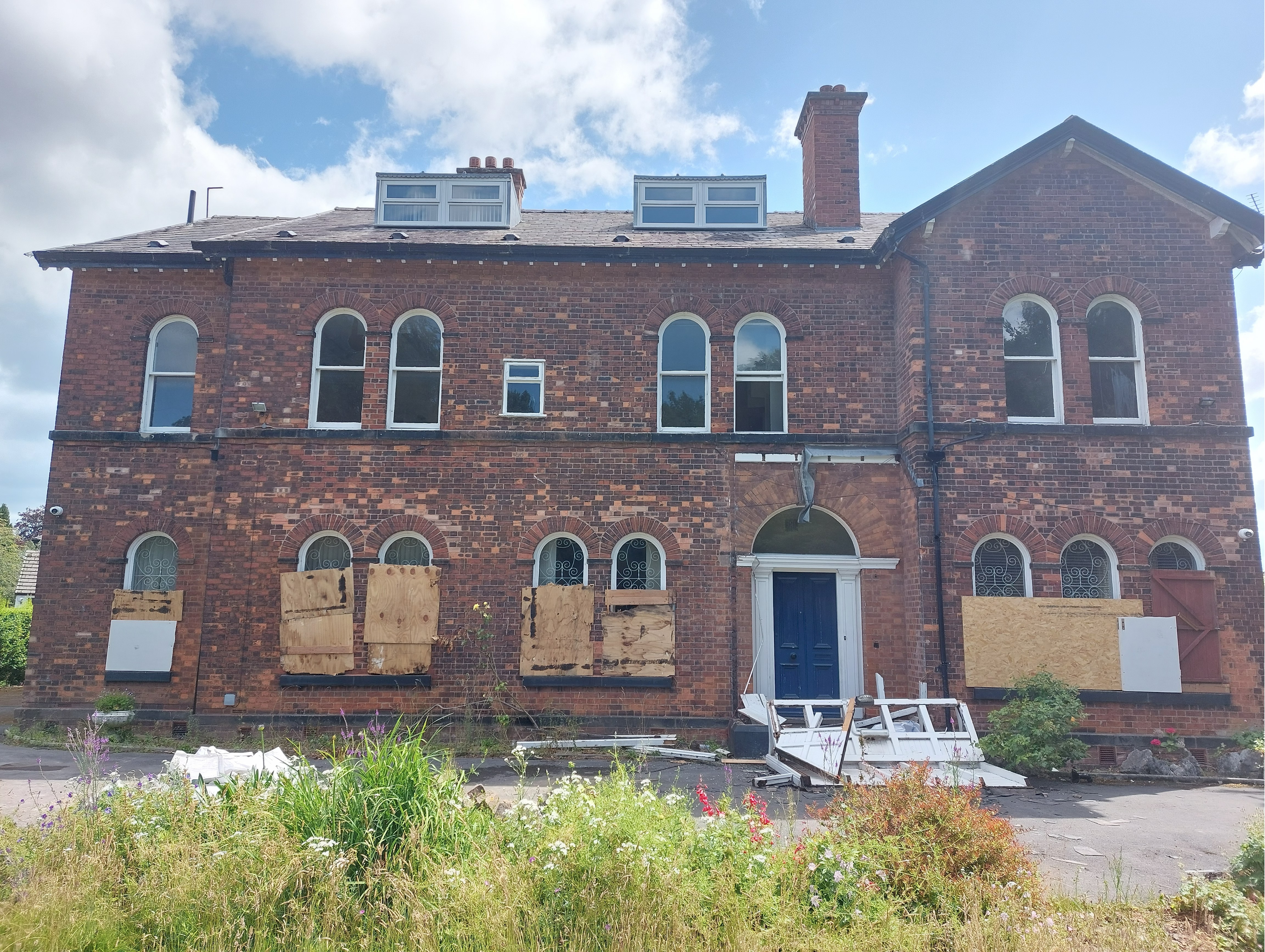
Figure 2. St Josephs Convent, Salford (identified by the CO as a NDHA at pre-application)
Where HEAN 7 Succeeds
The third edition of HEAN 7 successfully redefines local listing as a continuous, dynamic cycle rather than a linear process. It introduces practical tools to modernise the approach:
- The Local Heritage Listing Toolkit: Provides standardising templates for everything from nomination forms to social media outreach.
- Digital Integration: Shifts local listing away from traditional OS grid references toward GIS mapping, editable PDFs, and what3words.
- Varying Standards: Addresses the massive disparity in list quality, contrasted by Barking and Dagenham (outdated), Richmond upon Thames (unclear addresses), and Walthamstow (praised as an exemplar by Historic England, produced by Mike Fox).
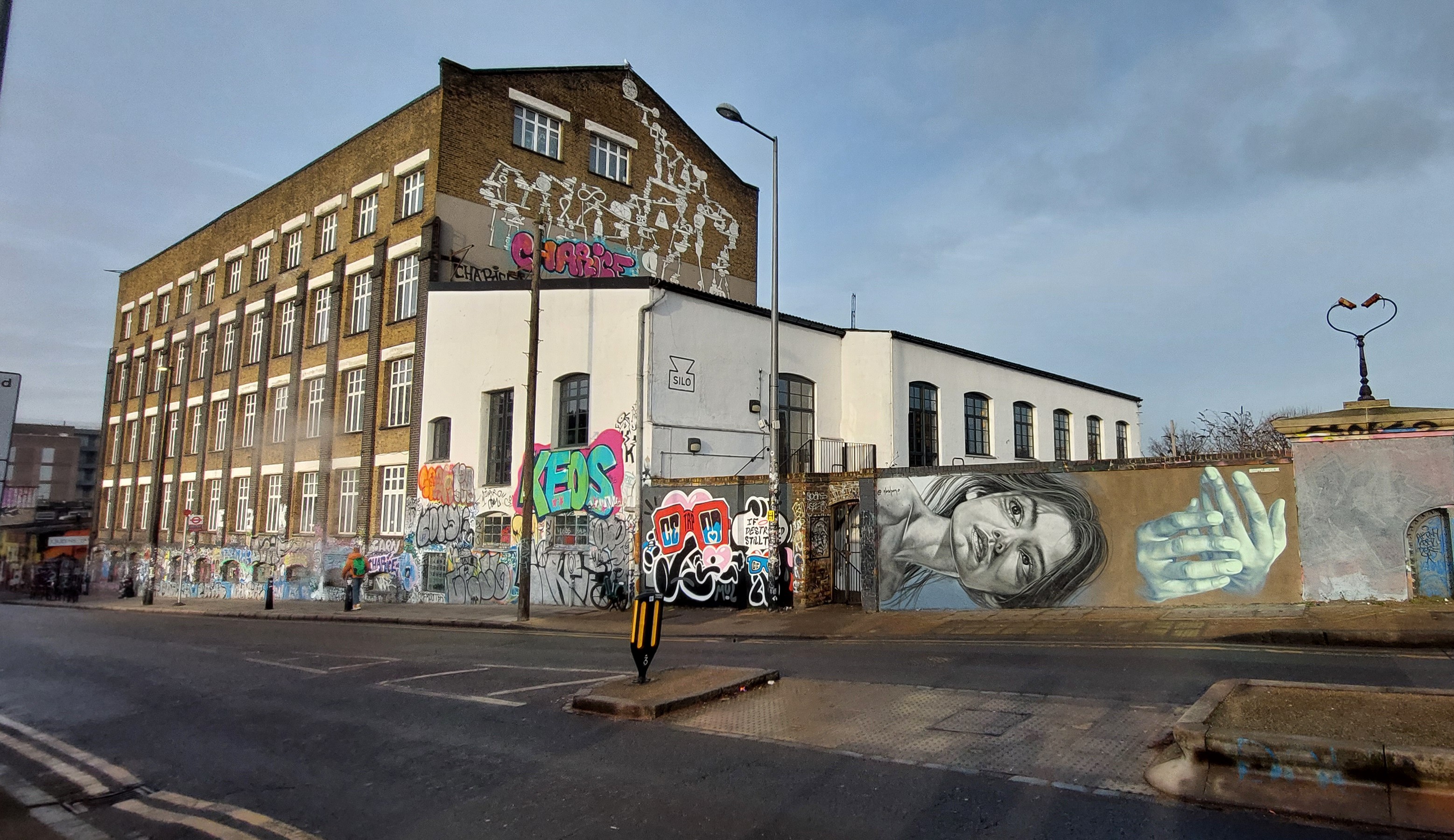
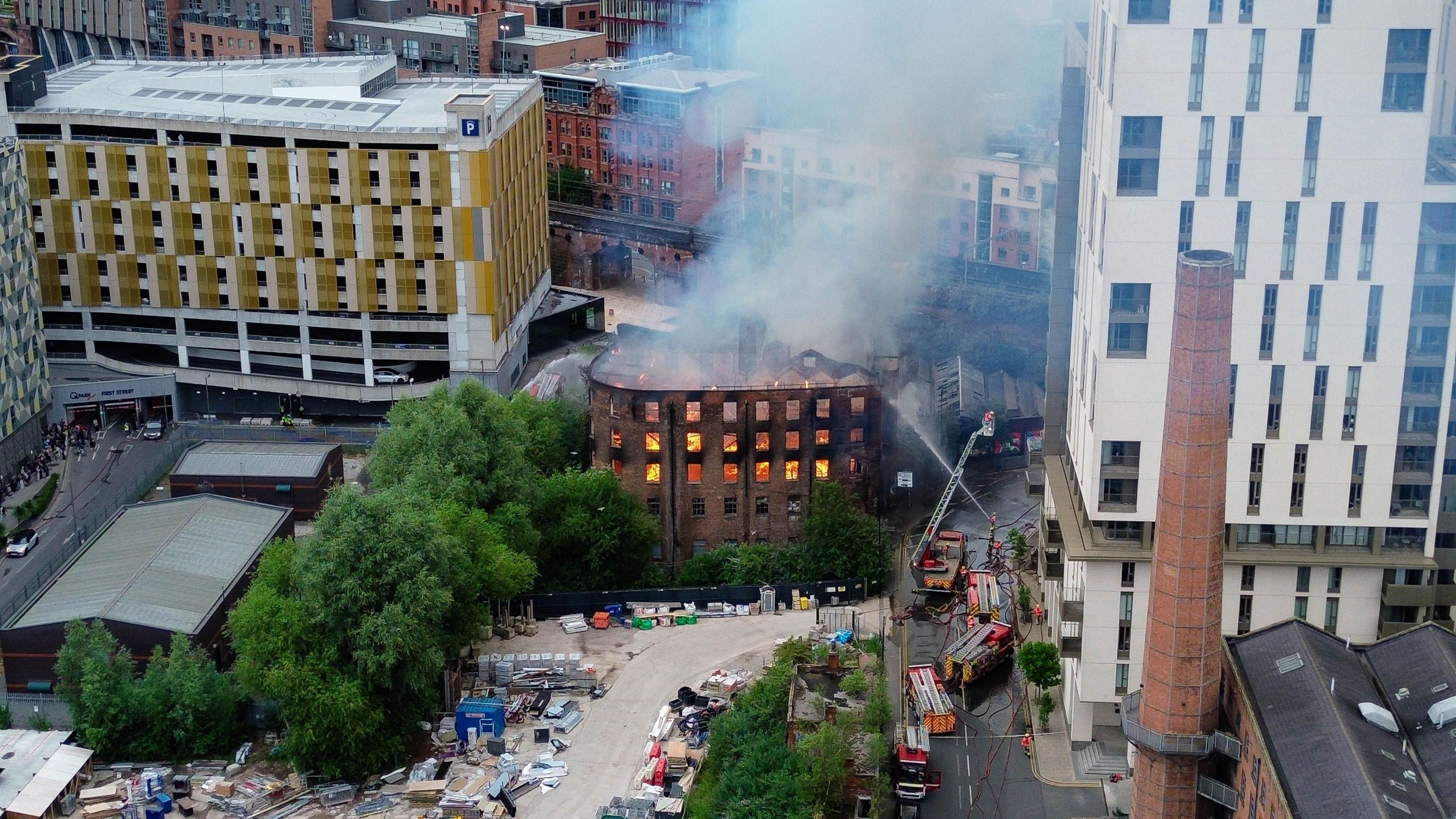
Figure 3. Queen’s Yard, Hackney Wick (on the local list)
A Step Forward, But a Missed Opportunity
However, despite these practical and welcomed updates, the new guidance misses a critical mark. The system would benefit from one term, one description, and ideally, one universal set of criteria (proportionate to locality) – as is the case with statutory protection.
While HEAN 7 suggests solid baseline criteria, such as age, rarity, landmark status, and communal value, it explicitly notes that these parameters “can be edited or added to” by local authorities. While this flexibility allows lists to respond to distinct local characters, it ultimately weakens the case for a unified national approach.
Standardising the national approach to NDHAs is crucial. Until we can confidently speak the same language, using one unified term and one clear, unwavering set of parameters, the “Wild West” of local heritage will continue to be a difficult frontier to navigate.
Archie Kelly-Bush