Beyond the Flames: Decision-Making After Fire in Historic Buildings
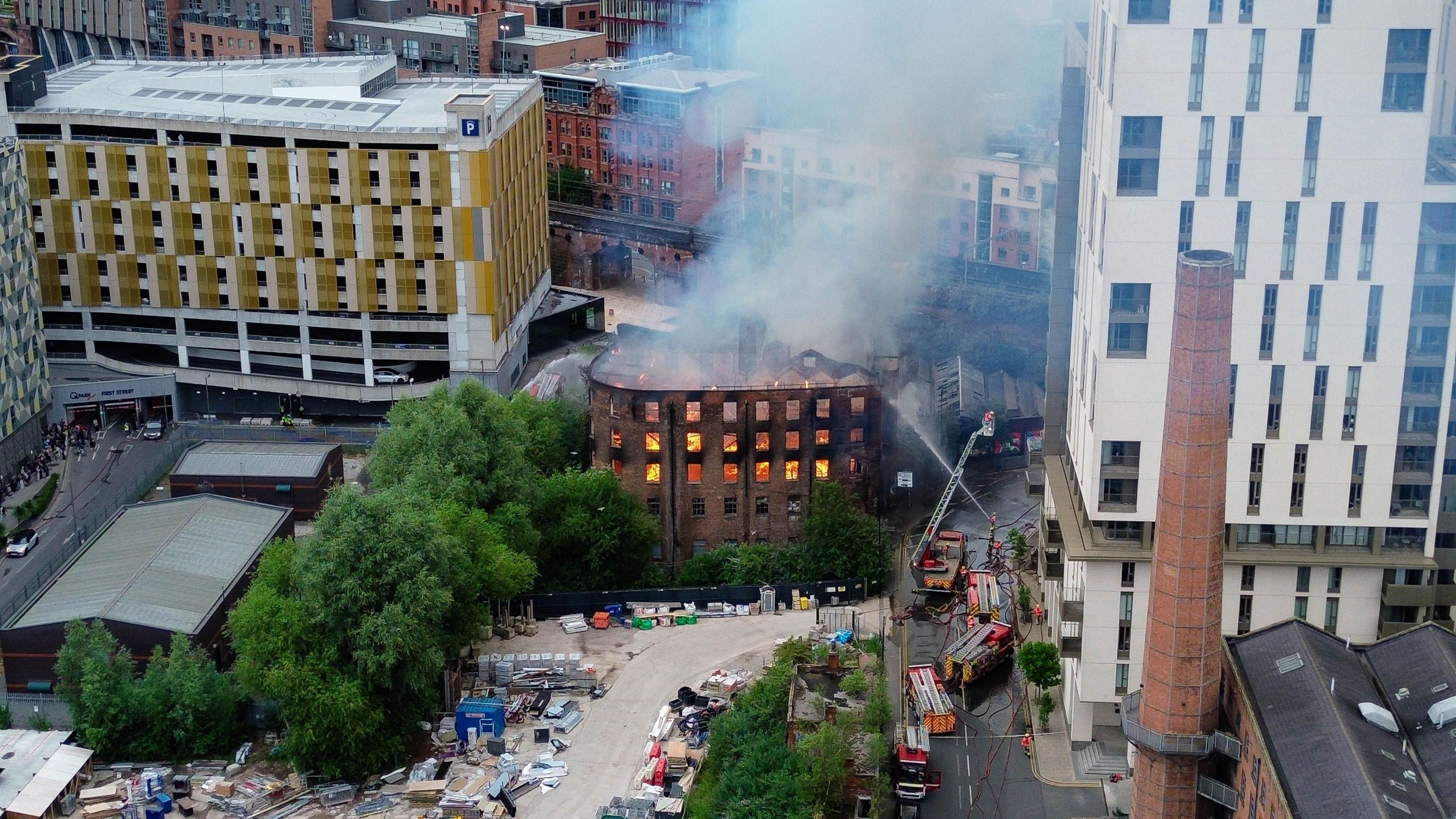
Figure 1: Hotspur Press Fire in Manchester, 2025
‘It made me weep to see it. The churches, houses, and all on fire and flaming at once; and a horrid noise the flames made, and the cracking of houses at their ruin.’ Samuel Pepys, 1666
In 1666 the diarist Samuel Pepys sat on the south bank of the River Thames and watched in grief as the City of London burned during the Great Fire. The fire raged for four days and left a trail of destruction in its wake, levelling a large swathe of the City and prompting substantial rebuilding in the late 17th century.
Over 350 years later, fires affecting historic buildings continue to provoke a deeply emotional public response, and this is heightened where the buildings hold strong historic and cultural value. Recent incidents, such as the fire at the Union Street building in Glasgow, have been widely shared across mainstream and social media, evoking a sense of irreversible loss.
But the stories often end there. The fire makes the headlines, the images circulate, and public concern follows. As heritage and planning consultants, however, we are frequently asked a more practical question: what happens next?
While there is a great deal of guidance on how to reduce the risk of fire in historic buildings, there is comparatively little direction on how to respond once significant damage has occurred. In the absence of clear, formal guidance, post-fire decision making relies heavily on professional judgement, stakeholder engagement, and established international principles.
The Riga Charter
One such framework is the Riga Charter (2000), which provides guidance on authenticity in reconstruction. It is widely used by heritage professionals when considering how to approach the rebuilding of listed buildings following fire or other forms of loss.
The Charter generally discourages direct replication, emphasising that architecture should reflect its own era. However, it does allow for reconstruction in exceptional circumstances, particularly where the building holds significant artistic, symbolic or environmental value. In such cases, any reconstruction must be based on robust evidence, avoid creating a false sense of history, and preserve surviving historic fabric wherever possible.
Crucially, decisions should be taken in consultation with key stakeholders, including local planning authorities and local communities, and should proceed only if sufficient evidence exists to ensure accuracy rather than conjecture.
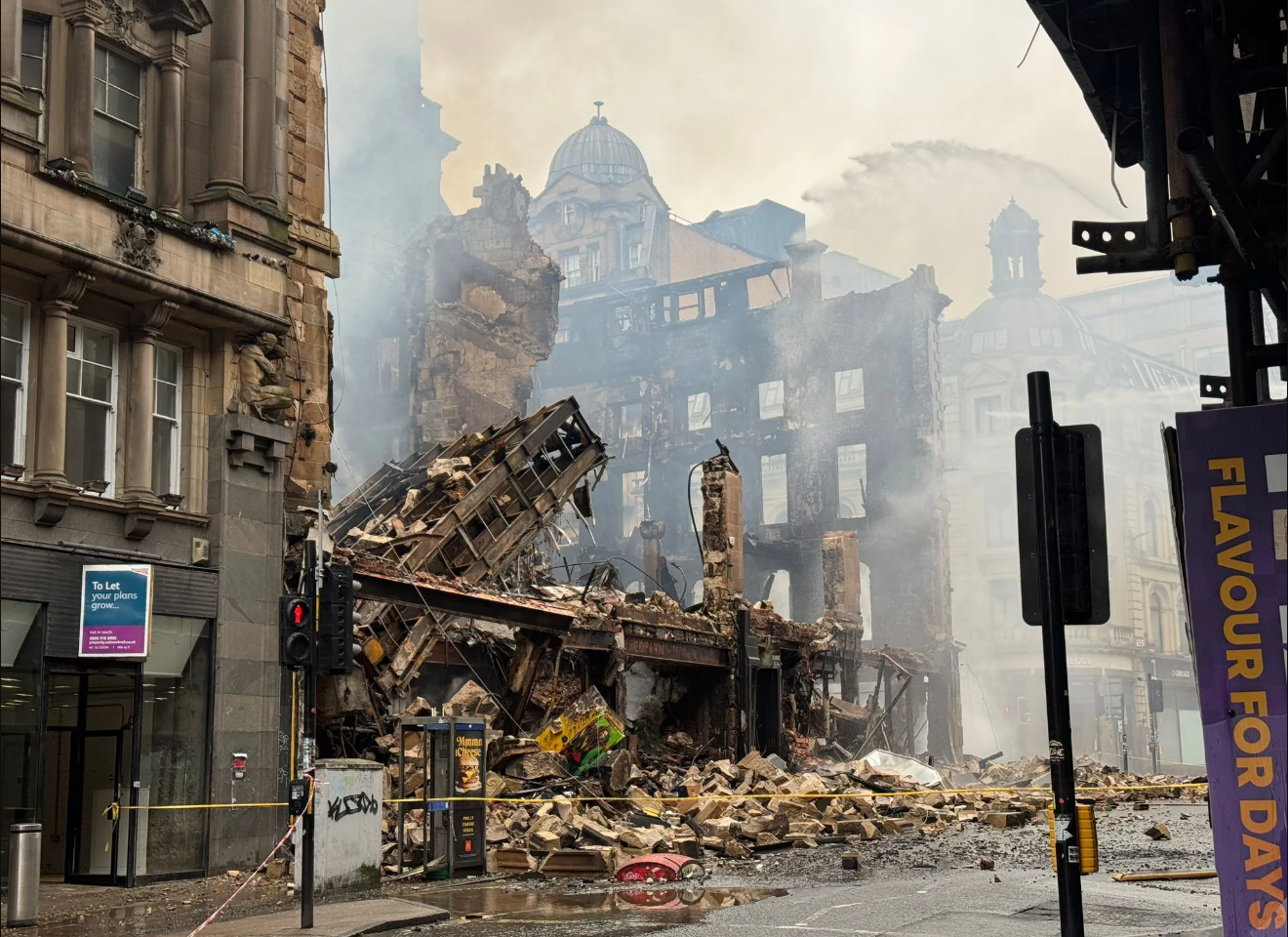
Figure 2: Union Street Fire in Glasgow, 2026
Understanding the Building
In practice, the first step following a fire should be to develop a clear understanding of the building; both its significance and its condition before and after the event.
The most difficult cases are those where buildings have experienced extensive fire damage, but not enough to be destroyed, or so little that repairs can be made in isolation without loss of significance.
Establishing a building’s significance will typically begin with the list description and be supported by further historical research. Understanding its condition prior to the fire, however, is often more complex. While external appearances may be relatively well documented, detailed records of interiors are frequently limited. In many cases, particularly for privately owned listed buildings, there may be little more than photographs, sales particulars, or outdated surveys to rely upon.
Assessing the building post-fire is equally critical. While the fire service and insurers will investigate the cause and extent of damage, further surveys from a heritage perspective are essential to understand what survives and in what condition. In some cases, tools such as drone surveys can provide valuable insights where access is restricted.
What happens next?
Only once this understanding is established can informed decisions be made about the building’s future.
In rare cases, where damage is so extensive that little or no historic fabric remains, delisting and replacement may be considered. However, this is typically a last resort.
In many cases, reconstruction is often the most viable option, incorporating surviving parts of the structure alongside reinstatement. Early engagement is recommended with the local planning authority and Historic England to determine the scope and expectations for any reinstatement.
As with all listed buildings, there is no single solution. Each case must be considered on its own merits, and outcomes are often shaped not only by heritage considerations, but also by stakeholder views, viability, and, at times, public and media attention. Fires in historic buildings continue to capture public attention much as they did in Pepys’ time. But beyond the immediate sense of loss lies a far more complex process, one that requires careful judgement, collaboration, and a clear understanding of what makes these buildings significant in the first place.
In the absence of prescriptive guidance, it is this careful, case-by-case approach, informed by principles such as the Riga Charter, that ultimately shapes how we respond when the worst happens.
Amy Weston, Senior Heritage Consultant